Mara Beck · 18 October 2026
Charting Feature Iterations and Their Ripple Effects on User Dynamics Inside Specialized Professional Directories
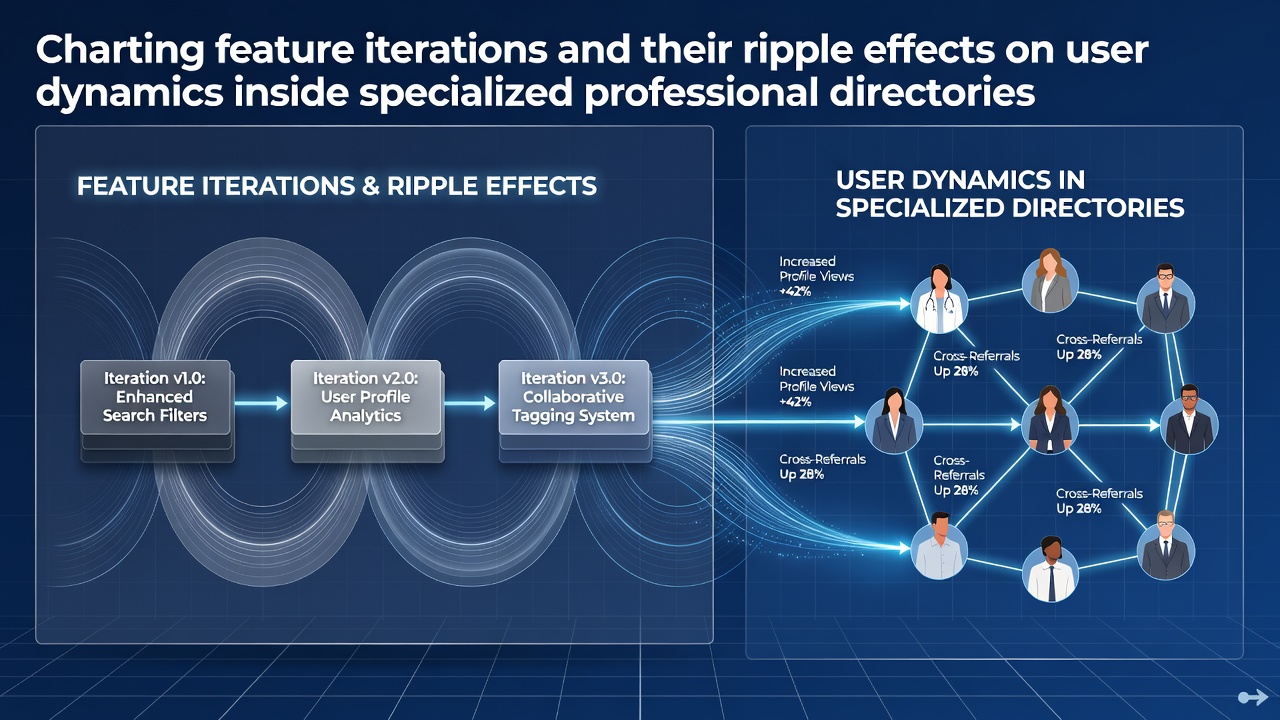
Specialized professional directories function as targeted platforms that connect experts within fields such as architecture, engineering, healthcare, and legal services, and feature iterations on these sites often begin with updates to search algorithms, profile customization options, and integration tools for external data sources. These changes accumulate over time, and observers note how each cycle alters the pathways users follow when locating collaborators or verifying credentials.
Early Iterations and Baseline User Behaviors
Initial versions of many directories emphasized static listings with basic contact details, yet subsequent rounds introduced keyword-based search and category filters that expanded reach for users in regional markets. Data from industry reports shows these modifications coincided with increased session durations, as professionals spent more time refining queries and comparing multiple entries side by side. The addition of verification badges further refined participation rates, since listings carrying third-party confirmation attracted higher click-through volumes according to aggregated platform analytics.
Expansion Through Mobile and Real-Time Tools
Once mobile compatibility became standard, directories added location-aware features and push notifications that surfaced new entries to users already engaged in field work, and this shift coincided with measurable rises in cross-regional inquiries. Research indicates that professionals began incorporating directory checks into daily routines rather than treating them as occasional reference points, which produced denser interaction graphs between previously disconnected user clusters. Integration with calendar applications and document-sharing services amplified these patterns, because users could move directly from profile discovery to scheduling without leaving the platform environment.
Mid-Cycle Adjustments Observed Around 2024-2025
Between 2024 and 2025, several directories rolled out AI-assisted matching that scored compatibility based on project history and skill overlap, and these layers produced visible changes in how users allocated time across browsing versus direct outreach. Figures from platform telemetry reveal that average search-to-contact intervals shortened, while the volume of multi-party introductions rose in sectors where collaborative bidding is common. At the same time, privacy controls tightened in response to regulatory frameworks from bodies such as the European Commission, resulting in segmented visibility settings that some user groups adopted more readily than others.
Ripple Effects on Trust and Collaboration Patterns
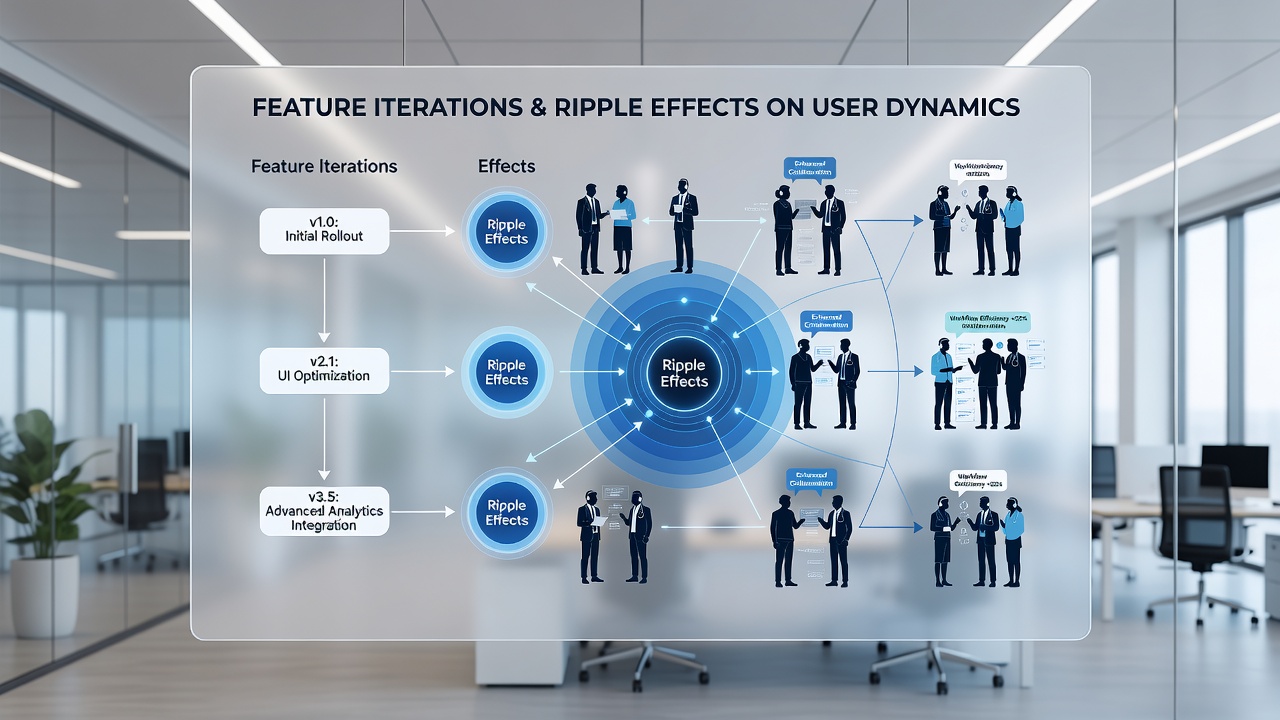
Trust signals embedded in newer profiles, including peer endorsements and activity timelines, altered the weight users assigned to unverified versus verified entries, and longitudinal studies show corresponding drops in bounce rates for listings that displayed sustained engagement metrics. Collaboration tools layered onto directory cores encouraged group formation around shared projects, which in turn generated secondary networks that persisted beyond single interactions. Observers tracking these developments report that geographic clusters loosened as users discovered viable partners across borders, although adoption remained uneven across disciplines with stricter licensing requirements.
Data Patterns Emerging in October 2026
By October 2026, updated dashboards in several directories displayed cumulative metrics on feature usage that highlighted continued growth in saved searches and automated alerts, and these indicators aligned with broader participation increases among mid-career professionals. Reports compiled by Statistics Canada on digital service uptake in professional services sectors captured parallel trends, noting higher frequencies of directory-mediated referrals within regulated occupations. The interplay between iterative feature releases and these usage spikes continues to shape how directories serve as both discovery mechanisms and ongoing coordination hubs.
Conclusion
Feature iterations within specialized professional directories generate layered consequences for user pathways, engagement depth, and network formation, and the patterns documented through platform data and external statistical sources illustrate how incremental design choices scale into structural shifts. Tracking these developments provides clearer visibility into the mechanisms that sustain or redirect professional interactions over successive platform cycles.